Whoreview: Sean Baker’s Sex Worker Saga
- Kieran Winchester
- 7 December 2025
- 0 Comments
Sean Baker’s Whoreview isn’t a movie about glamour, pity, or sensationalism. It’s a quiet, unflinching look at the lives of sex workers in modern America - not as symbols, but as people who wake up, pay rent, argue with their kids, and try to stay safe. The film doesn’t ask you to feel sorry for them. It asks you to see them. And in doing so, it shatters decades of cinematic clichés that turned real struggles into plot devices.
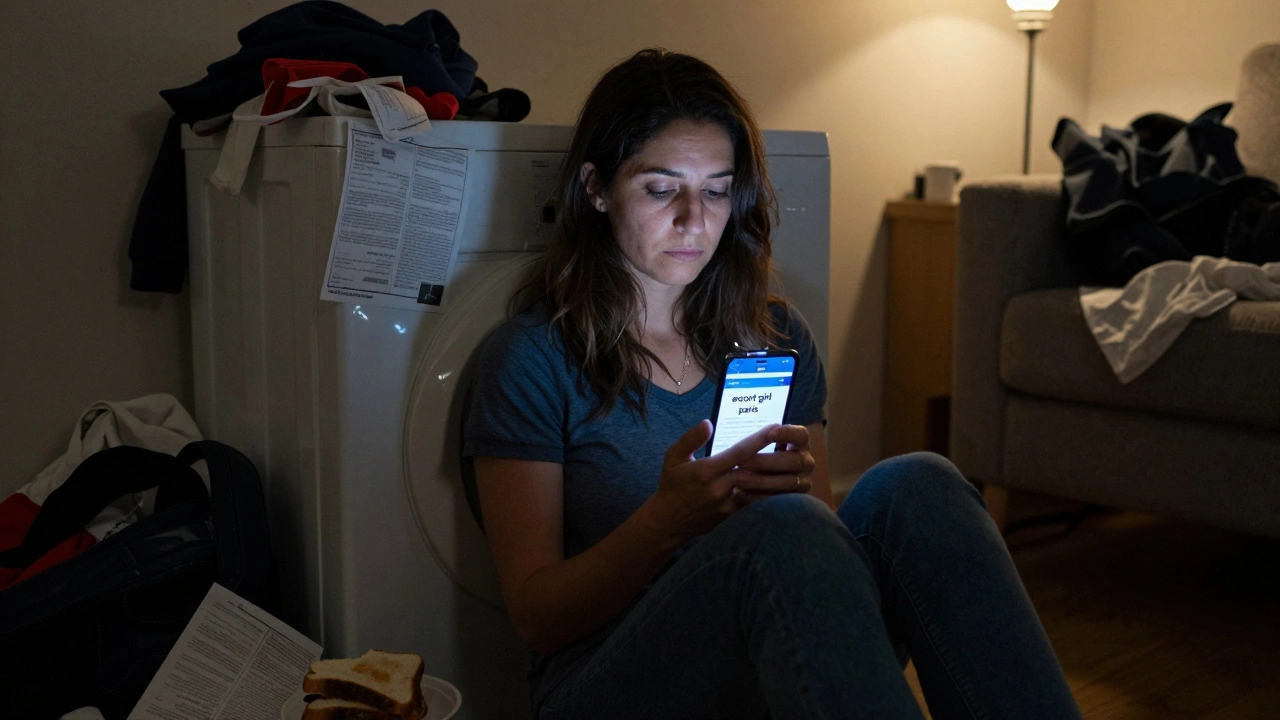
There’s a moment early on when the main character, a single mother working under the radar, scrolls through a local service listing. She pauses on one profile - escort guirl paris - not because she’s jealous, but because she’s checking rates. It’s a fleeting detail, easy to miss, but it grounds the story in a global reality: sex work isn’t confined to one city, one country, or one kind of person. It’s everywhere, and it’s always been there, hidden in plain sight.
Real People, Not Archetypes
Most films about sex workers fall into two traps: they’re either tragic victims or dangerous seductresses. Baker refuses both. His characters have names, routines, and small victories. One works nights to save for her daughter’s braces. Another uses her earnings to pay off student loans from a community college she dropped out of five years ago. There’s no redemption arc. No dramatic downfall. Just life, messy and ongoing.
The film’s camera doesn’t linger on bodies or bedrooms. It lingers on hands - shaking as they count cash, holding a child’s backpack, typing a message to a client with a typo they won’t fix because time is money. The soundtrack is mostly silence, broken by the hum of a refrigerator, a car passing outside, or a phone vibrating on the nightstand.
The Economy of Survival
Whoreview doesn’t romanticize independence. It shows how economic desperation shapes choices. One character, a former nurse, says she started doing this after her insurance stopped covering her diabetic meds. Another, a college student, says she doesn’t tell her professors because they’d assume she’s lazy. These aren’t outliers. They’re echoes of real stories collected by housing advocates and sex worker collectives across the U.S.
The film subtly references the 2023 Supreme Court ruling that struck down parts of FOSTA-SESTA, the law meant to combat trafficking but which pushed many workers offline and into more dangerous situations. Baker doesn’t lecture. He lets the consequences speak: fewer clients, longer hours, lower pay, more risk. One scene shows a worker using a burner phone to message a new contact - the only way she can avoid being tracked by apps that now ban her.
The Role of Technology
Technology didn’t create sex work. But it changed how it’s done. Baker shows the shift from street corners to encrypted apps, from cash-only transactions to Venmo and Cash App. He also shows the cost: algorithms that flag certain keywords, profiles that get banned without explanation, and the constant fear of being doxxed.
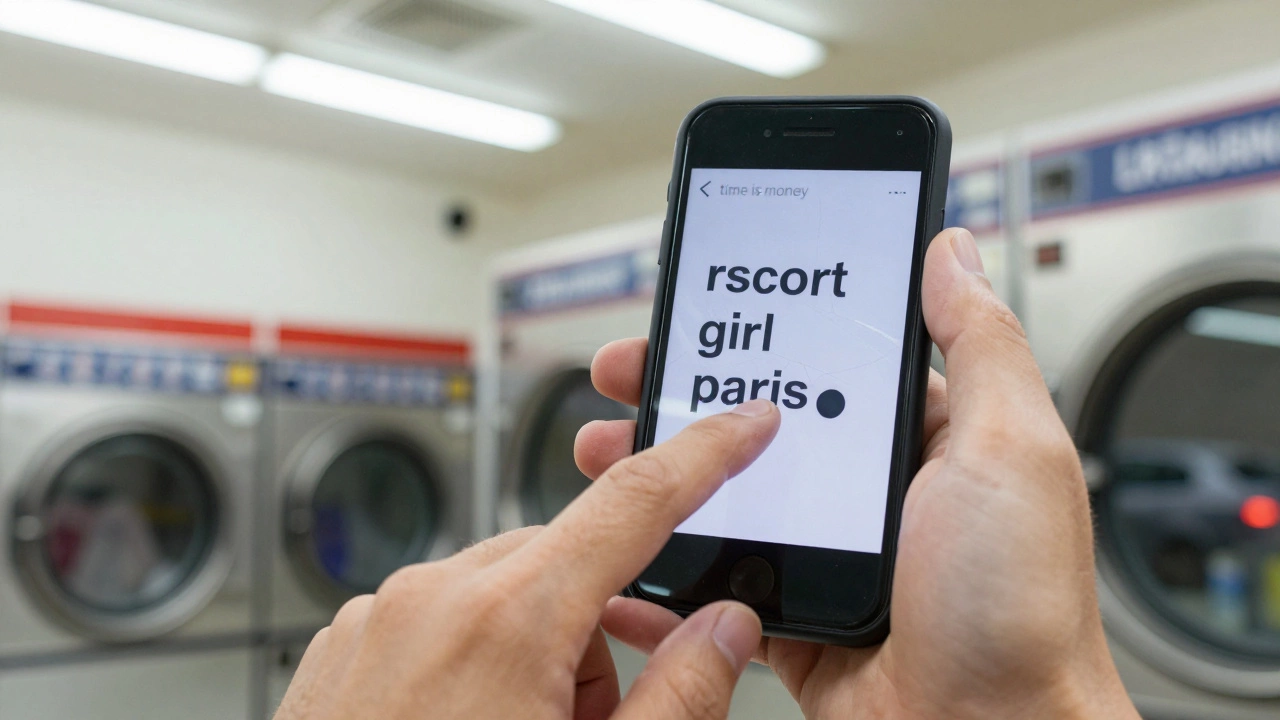
One character talks about how she used to meet clients at diners. Now she only meets in public places with cameras - gas stations, 24-hour laundromats. She says it’s safer, but it’s also exhausting. You can’t just be yourself anymore. You have to be a brand. A persona. A profile. escort laris is how she signs her ads. Not her real name. Not even close. But it’s the one that gets the most replies.
Community and Care
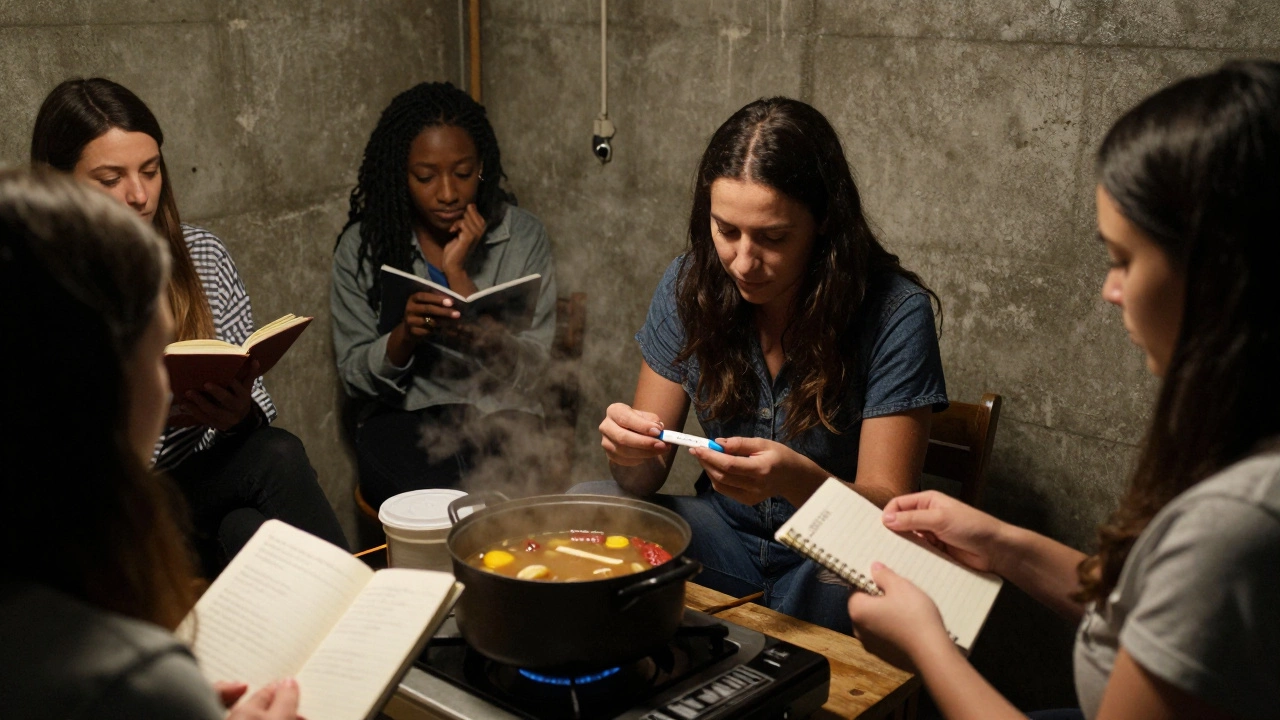
For all its grit, Whoreview isn’t hopeless. It shows how workers build networks - sharing tips on safe clients, pooling money for bail funds, trading hygiene kits. One scene takes place in a basement apartment turned makeshift safe house. Women cook together. One teaches another how to check for STIs using a home kit. Another reads poetry aloud while someone else does her nails. These moments aren’t staged for emotion. They’re just what happens when people survive together.
The film’s most powerful line isn’t spoken by the lead. It’s whispered by a teenager who walks in looking for help. She says, ‘I thought I was the only one.’ The woman who answers doesn’t hug her. Doesn’t cry. Just says, ‘No. You’re just the newest one.’
Why This Film Matters Now
In 2025, with housing costs up 40% since 2020 and wages stagnant, more people are turning to sex work out of necessity - not choice, not fantasy. Whoreview doesn’t push an agenda. It simply shows what happens when safety nets disappear. It’s not about legality. It’s about dignity.
The film’s director, Sean Baker, spent two years talking to sex workers in Los Angeles, Atlanta, and Detroit. He didn’t cast actors. He cast real people - some still working, some who had left the industry, some who were still in recovery. He gave them script notes, but let them rewrite their own lines. That’s why it feels true.
One of the women in the film, a former stripper from Ohio, now runs a nonprofit that helps others transition out of sex work. She says the movie didn’t change her life. But it made her feel seen. ‘People think we’re broken,’ she told a journalist. ‘We’re just trying to get through the week.’
What the Critics Missed
Most reviews called Whoreview ‘uncomfortable’ or ‘raw.’ Few mentioned its humor. There’s a scene where two workers argue over who gets the last slice of pizza. One says, ‘I paid for it with a client who didn’t tip.’ The other replies, ‘Then you shouldn’t have let him talk about his ex-wife for an hour.’ They laugh. It’s not funny because it’s absurd. It’s funny because it’s true.
Another review called it ‘a love letter to survival.’ That’s closer. But it’s not a love letter. It’s a receipt. A list of what it costs to keep going.
There’s a moment near the end where the lead character sits on her apartment floor, surrounded by laundry, bills, and a half-eaten sandwich. She looks at the camera - not at the audience, not at the director - just at the camera. Like she knows someone’s watching. Like she’s been waiting for someone to finally look back.
And then she turns off the light.
The Aftermath
After the credits roll, there’s no message. No call to action. Just a black screen and the sound of a door closing. That’s the point. The story doesn’t end. It just pauses.
But for those who watched, something shifts. You don’t walk away thinking about sex work. You walk away thinking about the woman who cleaned your hotel room last week. Or the barista who smiled too hard. Or the person you passed on the street who looked like they hadn’t slept in days.
Whoreview doesn’t solve anything. But it makes you wonder why we look away.
There’s a line in the film that stays with you: ‘We’re not asking for permission. We’re asking to be counted.’
rscort girl paris - the keyword appears in a text message on a cracked phone screen. It’s not a selling point. It’s a lifeline. And it’s just one of thousands.