Diamondbacks vs. Rockies: Series #17 Preview
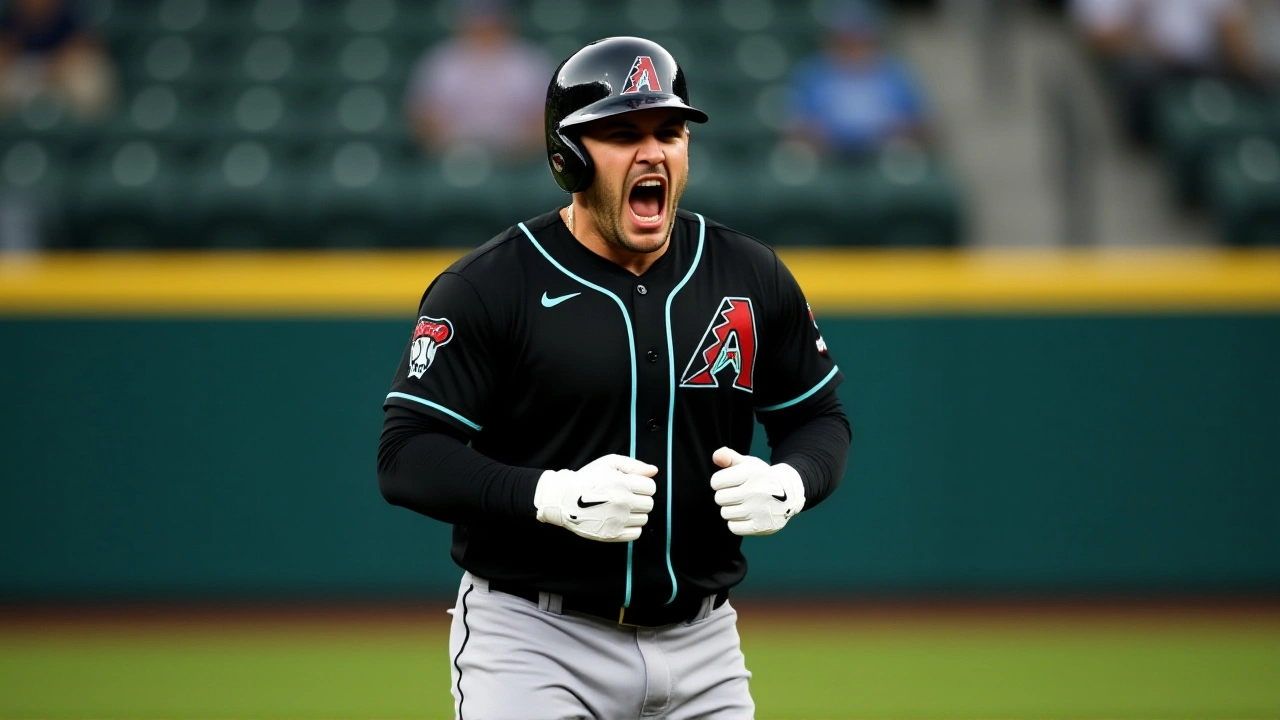
- Kieran Winchester
- 22 May 2026
- 0 Comments
Here’s the thing about divisional matchups in Major League Baseball: they never feel like just another game on the schedule. For the Arizona Diamondbacks, facing off against their Colorado Rockies rivals marks a critical juncture in their season narrative. This isn't merely Series #17 for Phoenix; it's a test of momentum, depth, and resilience within the fiercely competitive National League West.
The stakes are clear, even if the specific box scores from previous weeks blur into memory. Every win here chips away at the gap to first place or solidifies a playoff berth. Every loss? Well, that’s a heavy burden in a division where margins are razor-thin. The D-backs arrive at this series carrying the weight of sixteen prior contests, looking to prove that their recent form is no fluke.
The Divisional Grudge Match
Let’s be honest: playing the Rockies is always a unique experience. Whether you’re dealing with the thin air at Coors Field or the desert heat in Arizona, the environment plays as big a role as the players on the field. The rivalry between these two franchises has evolved over the years. What was once a one-sided dynamic—with the D-backs often dominating—has shifted as Colorado rebuilds and Arizona aims for sustained excellence.
This series serves as a microcosm of the broader MLB Regular Season. It’s not just about winning three games; it’s about controlling your destiny in the standings. In the NL West, every series feels like a mini-playoff. The psychological edge gained from sweeping a division rival can carry through the final months of the campaign. Conversely, dropping two out of three can spark a spiral that’s hard to reverse.
Pitching Duels and Bullpen Management
While specific starting pitcher names weren’t detailed in the initial preview data, the strategy remains constant. The D-backs’ rotation typically relies on high-leverage innings and precise command. They know that against a team like Colorado, which can explode offensively when the ball finds the gaps, limiting baserunners is paramount.
But wait—the real story often lies in the bullpen. Managers have to make tough calls early in the series. Do you rest your ace for the next opponent, or do you ride him deep into Game 2 if he’s humming? These decisions define seasons. We’ve seen too many teams blow leads because they mismanaged their relief corps during crucial divisional sets. The D-backs’ coaching staff will likely look to mix lefties and righties strategically, keeping the Rockies’ hitters guessing.
Offensive Firepower vs. Defensive Grit
On the other side of the ball, the Diamondbacks need to produce runs efficiently. They can’t rely solely on home runs. Small ball—bunting, stealing bases, moving runners over—often wins these tight divisional battles. The Rockies, meanwhile, will look to exploit any defensive lapses. Their lineup usually features power threats who can change the game with a single swing.
Interestingly, the trend in modern baseball suggests that teams with deeper benches have an advantage in long series. If the D-backs can get production from their platoon hitters and bench players, they’ll put immense pressure on Colorado’s pitching staff. It’s a chess match: who blinks first? Who makes the costly error?

What’s Next for the D-Backs?
Looking ahead, this series sets the tone for the stretch run. A sweep would boost morale significantly, potentially propelling them into a hot streak. A split might indicate areas needing adjustment. But a series loss? That could trigger scrutiny from fans and media alike. The front office will be watching closely, assessing whether roster tweaks are needed before the trade deadline or later in the season.
Fans should keep an eye on injury reports and minor league call-ups. Sometimes, a fresh face from the farm system provides the spark a stagnant offense needs. The D-backs’ development pipeline has been strong in recent years, so don’t be surprised if a young prospect steps up unexpectedly.
Frequently Asked Questions
Why is the Diamondbacks-Rockies rivalry significant?
Both teams compete in the National League West, making every head-to-head matchup crucial for playoff positioning. Historically, the D-backs have held an edge, but recent seasons have seen increased competitiveness. Winning these series directly impacts tie-breakers and overall standing stability.
How does altitude affect gameplay in this series?
If played at Coors Field in Denver, the high altitude (5,280 feet) reduces air resistance, causing balls to travel farther. This favors hitters, leading to higher scoring games. Pitchers must adjust by inducing ground balls or striking out batters quickly to avoid long fly balls becoming home runs.
What defines a successful series for the Diamondbacks?
A successful series involves winning at least two games while maintaining low error counts and efficient pitching performances. Ideally, the D-backs want to take two straight to build momentum. Even a split is acceptable if they limit damage and gain valuable innings for their starters.
Are there any key players to watch despite missing stats?
While specific names weren't listed in the source preview, generally, fans should monitor the starting pitchers' velocity and strikeout rates. Additionally, watch for leadoff hitters who can set the table with walks or hits. Bench players often provide unexpected offensive bursts in close games.
How does this series fit into the broader MLB season?
As Series #17, it falls mid-season, a time when teams assess their trajectory toward October. Performance here influences fan engagement, betting lines, and internal team confidence. It’s a checkpoint for evaluating whether current strategies are working or if adjustments are necessary for the playoff push.